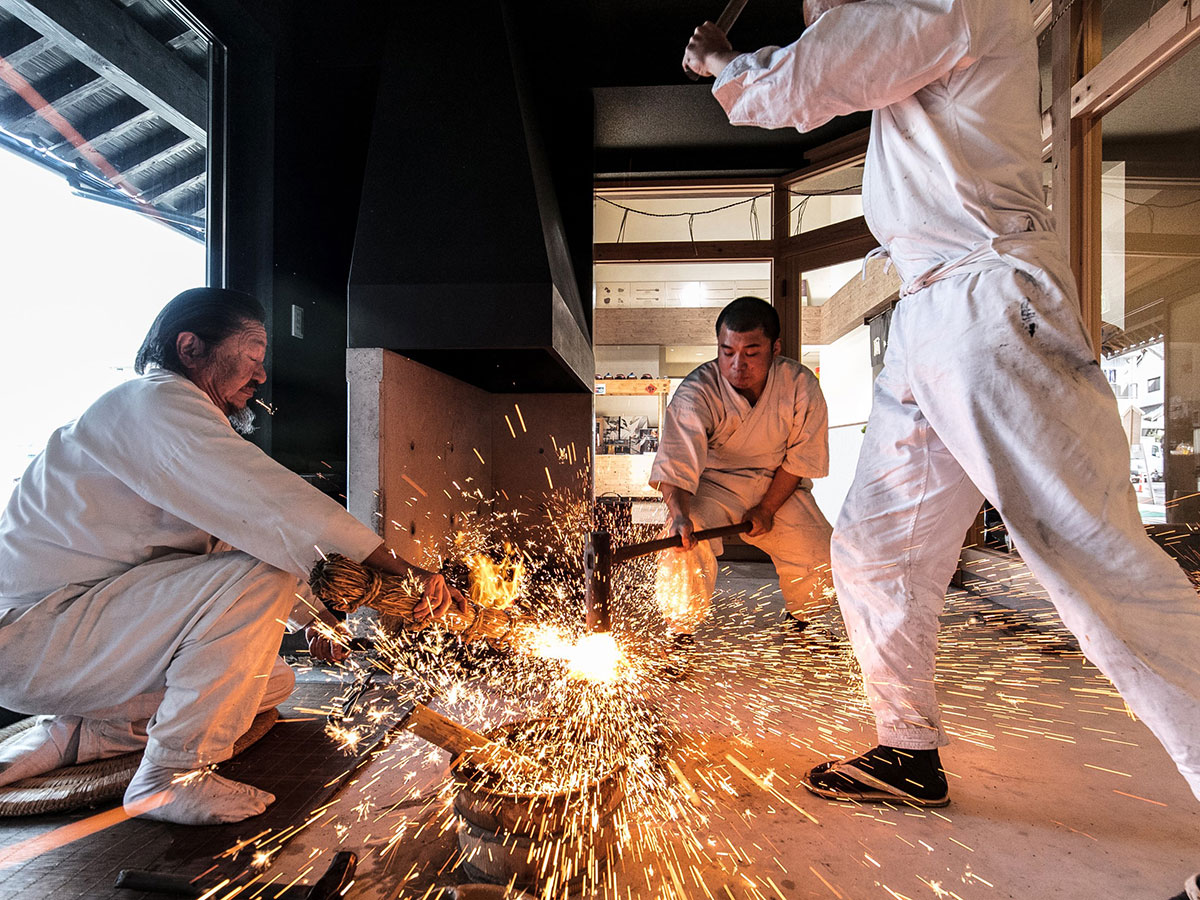
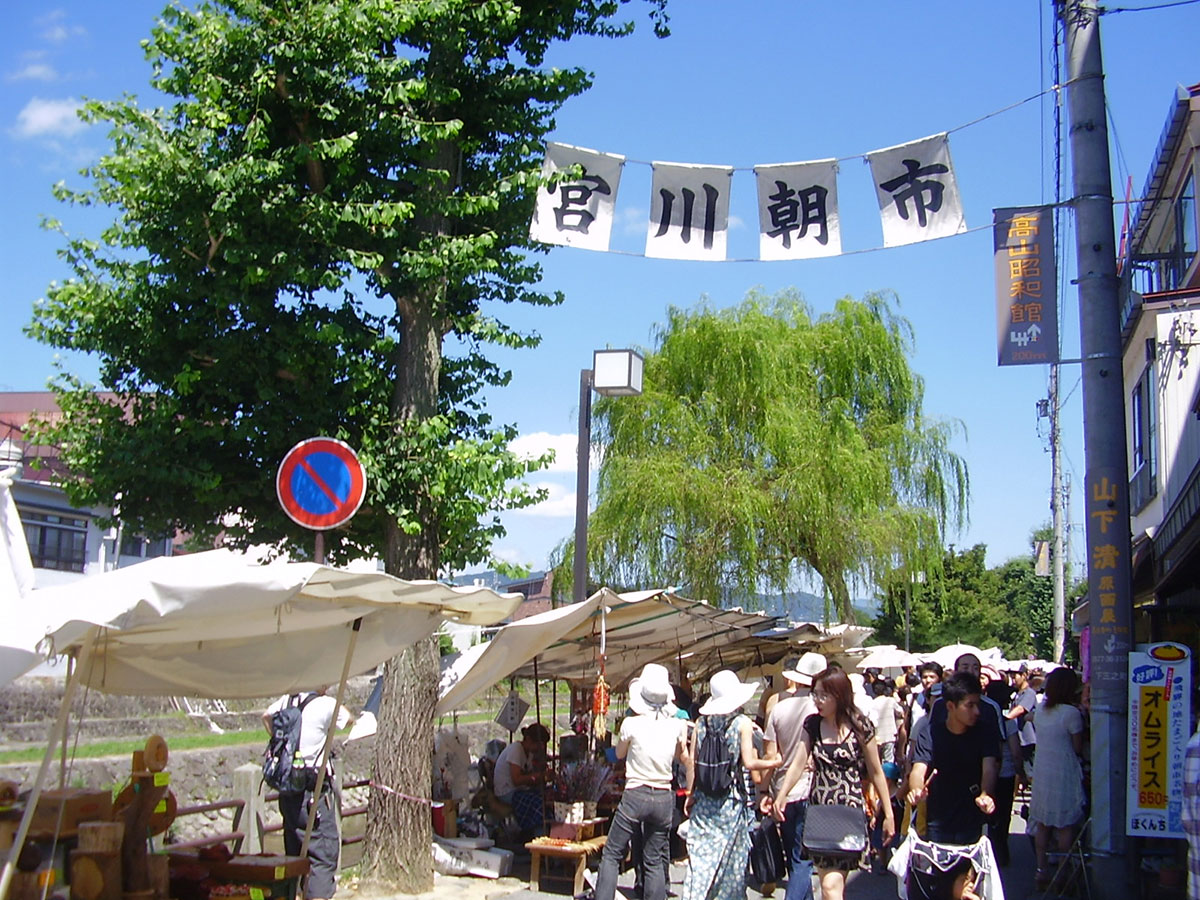
Located in the heart of Japan, Gifu Prefecture is a captivating region where majestic nature, centuries-old traditions, and a pleasantly relaxed pace of life harmoniously coexist. While it may not have the dazzling glamour of Japan’s major cities, Gifu’s true charm lies in its profound simplicity.
In the northern mountains, the breathtaking alpine scenery unfolds, with the UNESCO World Heritage village of Shirakawa-go blanketed in snow during winter. From spring to summer, visitors can hike through the Hida Mountains and spend quiet moments surrounded by nature. Meanwhile, the southern region features fertile plains shaped by rivers and farmland, where castle towns and historic merchant streets still echo the craftsmanship and commerce of the samurai era.
Gifu has long served as a strategic crossroads between east and west, and its heritage is reflected in everything from the panoramic views from Gifu Castle to the precision of local industries.
If you seek scenic beauty, deep history, and rich culture, Gifu is a place that tells the story of a profound connection between the land and its people.
Gero Onsen is believed to have emerged during the Heian period, around 1,000 years ago, in the mountains of Yugamine—a volcano said to have erupted approximately 100,000 years ago.
In the Muromachi period, the poet-monk Banri Shuku praised Arima, Kusatsu, and Gero Onsen as the finest hot springs in Japan. Since then, these three have come to be known as the “Three Great Hot Springs of Japan.”
The Gero Onsen town is home to around 50 inns and hotels, making it ideal for enjoying a hot spring tour. The spring water is a mildly alkaline simple thermal spring, colorless and clear. Thanks to its natural alkaline properties, it has a gentle soap-like effect that leaves the skin feeling smooth, earning it the nickname “beautifying hot spring.”
Local inns, cafés, and traditional confectionery shops also offer a wide variety of creative sweets perfect for strolling and snacking.
Gero City is blessed with rich nature and diverse ecosystems, offering many attractions. The Osaka area in Gero is especially known for its more than 200 waterfalls, formed by dramatic elevation changes of up to 2,500 meters and abundant water flowing from Mount Ontake.
Throughout the year, programs are available that allow visitors to experience the waterfalls with all five senses, offering active encounters with nature in every season. Why not discover your own favorite way to enjoy it?
In the year 1600, the Battle of Sekigahara—renowned as the decisive conflict that marked the beginning of the Edo period—unfolded on this very land.
Each commander on both the Eastern and Western armies played a central role in a grand human drama filled with loyalty, friendship, strategy, and inner conflict.
Why not explore the surrounding historical sites on foot or by rental bicycle, while reflecting on the stories behind each of these warriors?
We recommend visiting the Gifu Sekigahara Battlefield Memorial Museum, an interactive facility that uses cutting-edge technology to bring history to life. After learning about the lives and legacies of the commanders, continue your journey through the area. You can even try on samurai armor for a hands-on experience.
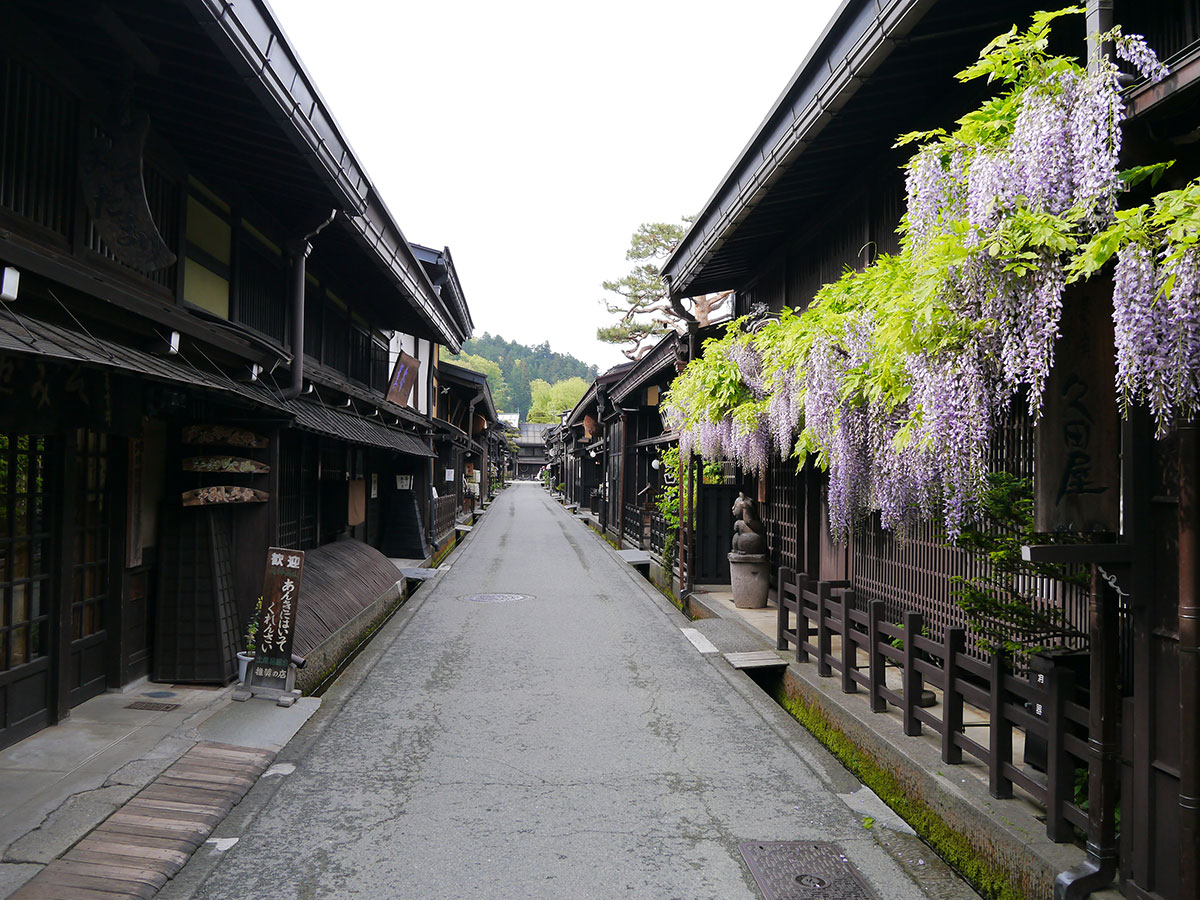
This trip lets you experience the appeals of Tokyo and the Tokai area through experiences and townscapes that offer a sense of Japan’s history and tradition. Tokyo offers an opportunity to experience its unique appeals where modern novelty and tradition coexist through destinations that teach of history, or indigo dyeing workshops offering experiences of traditional dyeing techniques. One such example is Senkyaku Banrai, one of Tokyo’s more recent tourist destinations. Meanwhile, the Tokai area route offers a variety of destinations that show the unique character, seasonality, and food experiences of each area, such as Magome-juku in Gifu, the old townscape of Hida Takayama, and the Pottery Footpath in Aichi, letting you get a sense of the other appeals of Japan that are different from Tokyo.


 JR Tokyo Station → JR Gifu Station: Approximately 2 hours 10 minutes by Tokaido Shinkansen and JR Tokaido Line