This itinerary invites you to explore traces of Edo, a historic castle site, and craftsmanship in Tokyo before continuing to Shirakawa-go, Takayama, Hida-Furukawa, and Gero Hot Spring in Gifu.
In Tokyo, discover the craftsmanship of Edo Kiriko glass, stroll through the streets of Kagurazaka, and trace remnants of the former Edo Castle at the East Gardens of the Imperial Palace. Then travel via Nagoya to Gifu, where you’ll explore the gassho-zukuri thatched-roof houses of Shirakawa-go, the castle town of Takayama, the white-walled storehouses lining the streets of Hida-Furukawa, and Gero Hot Spring. Over these three days, discover how distinctive traditions of daily life, commerce, and craftsmanship have been passed down through generations in each community.
*For the latest information on business hours, days when spots/facilities are regularly closed, prices, etc., please check the official website for each spot/facility or check directly with the spot/facility.
Destination

Itinerary

Transport

Tokyo to Gifu via Nagoya
2 hours
10 minutes


In addition, the Sumida Ward-certified studio shop uses panels and exhibits to cover in detail the history and production process of Edo Kiriko, models of the different processes, and the traditional tools. The shop has many Edo Kiriko items on display for sale, ranging from kiriko artisan masterpieces to vessels for daily use and other gift items, along with “waza,” or skill, items that can be found nowhere else.
Take a step past the shop window to watch the artisans in action up close, and try your hand at making your own style kiriko glass.


There are several shops that were founded in the Edo period, as well as more than 10 stores from the Meiji and Taisho periods. While the buildings may be difficult to find as they have been renovated, try to do by looking at the names and ambiance for clues.


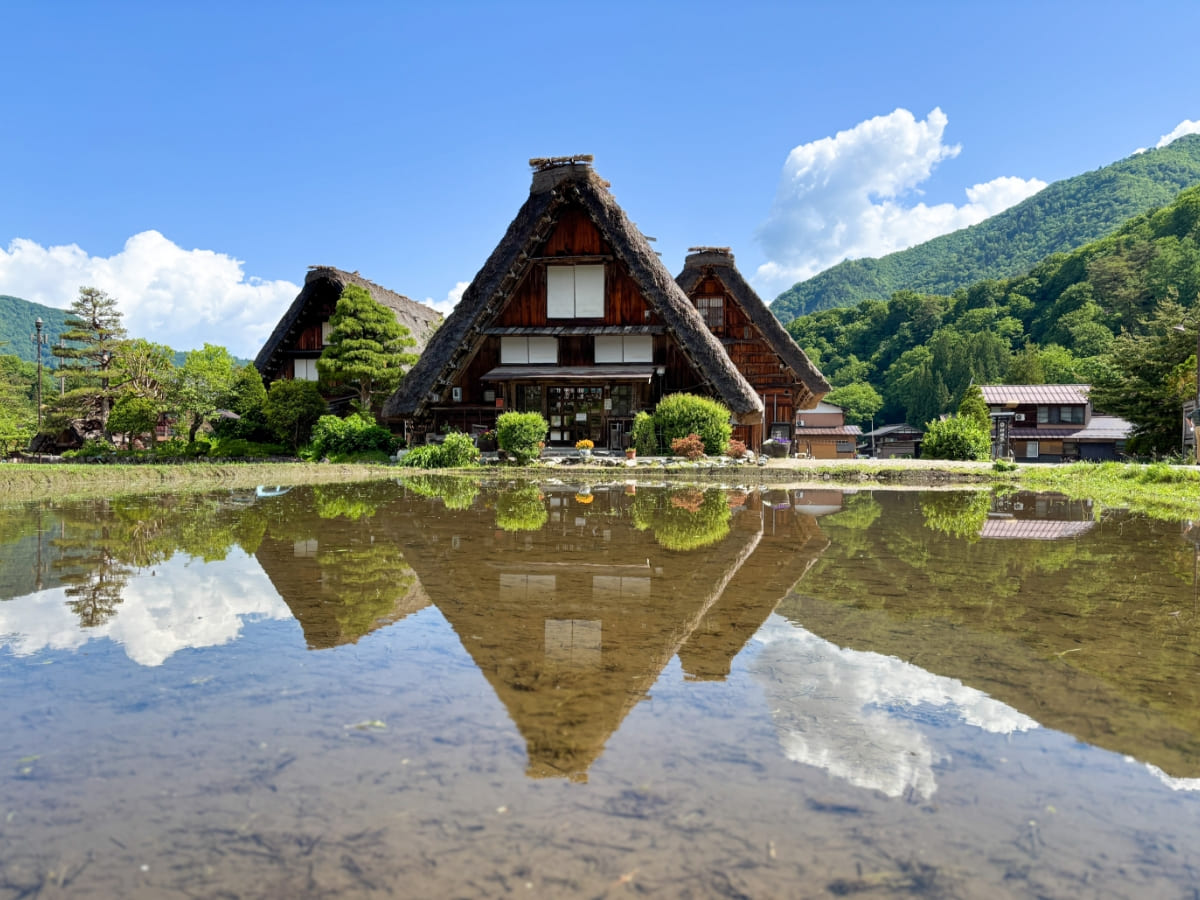
Many of these homes remain inhabited today, but some are open to the public, like the Wada Residence, with displays of traditional tools and ways of life in Shirakawa-go.
Some gassho-zukuri houses also offer accommodation. Be sure to book in advance if considering this memorable option!


Takayama City
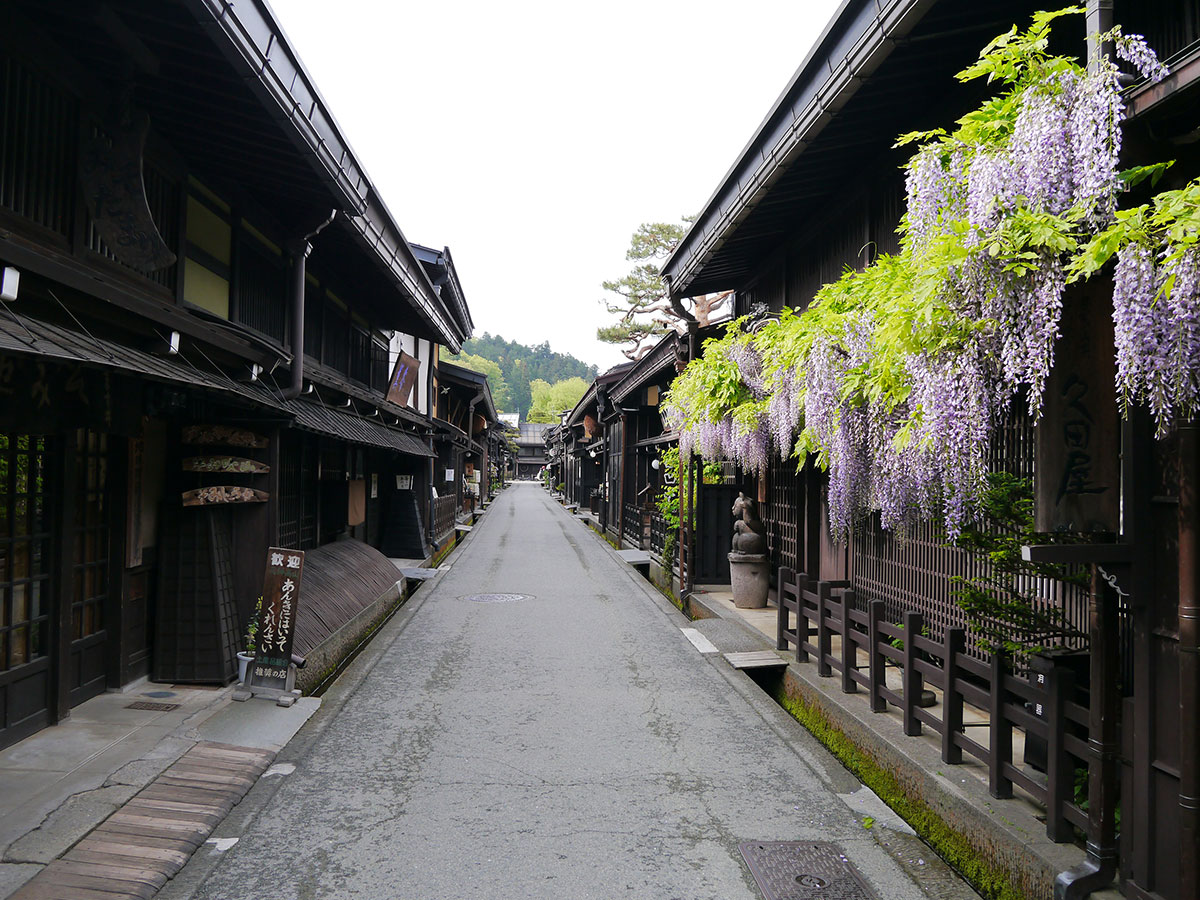
Rows of lattice-shuttered houses and sake breweries line the streets with small canals flowing before them, offering a chance to slip back in time to the Edo period. Stroll through the historic streets that transform with the changing seasons and take in the scenery deeply rooted in the traditions of Hida Takayama. Along the way, savor local specialties such as Hida Beef and browse for unique souvenirs and traditional crafts at local stores.


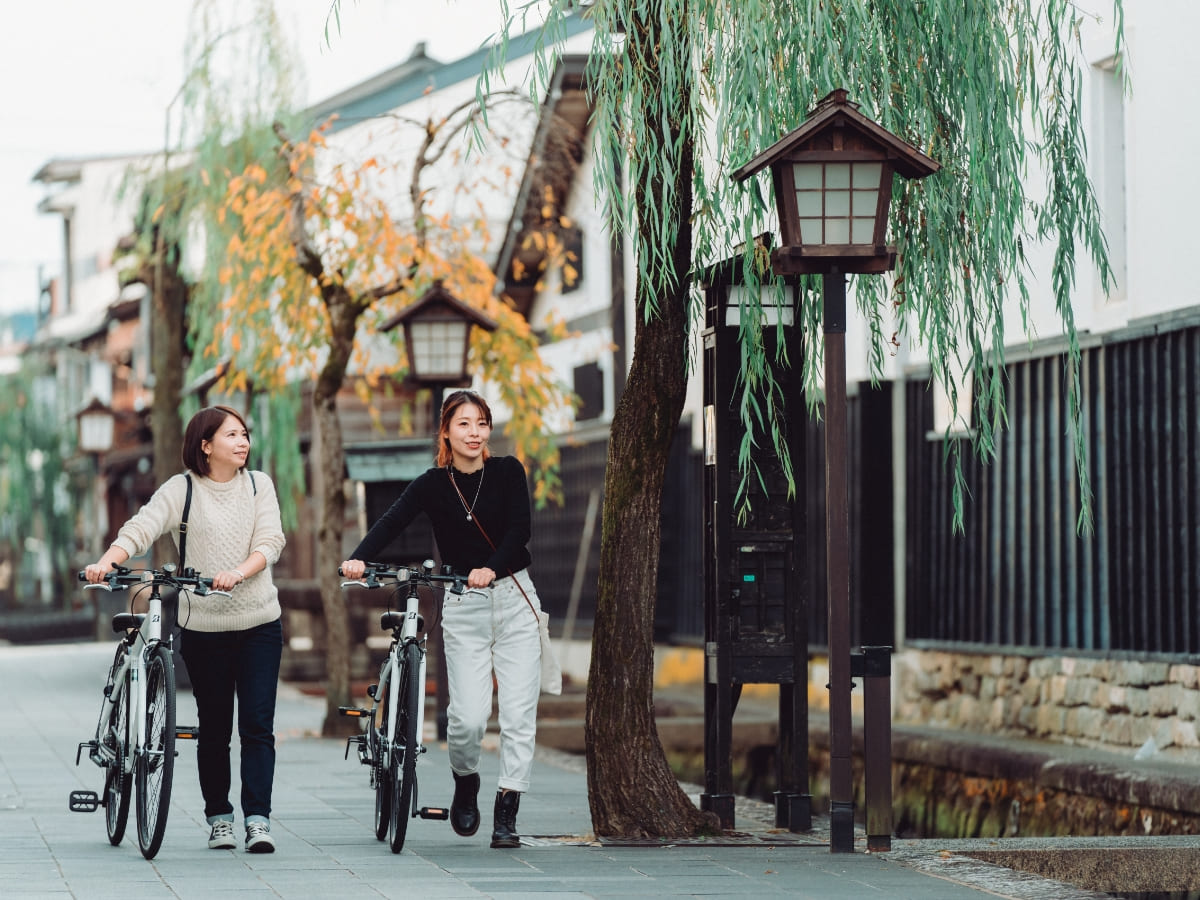
This peaceful castle town preserves the atmosphere and scenery of old Japan. Popular activities include sake brewery tours, riding the “Rail Mountain Bike Gattan-Go”, creating your own herbal tea blend, and guided cycling tours.


Gero also offers a wealth of activities and experiences that provide a deeper look into Japan. From waterfall tours, cycling and trekking adventures, to cultural experiences, craft workshops, and gourmet cuisine, there is something for everyone.


Other recommended route in same area