Theme of the Scenic Route

From Traditional Techniques to Futuristic Technologies: Exploring the Roots of Craftsmanship in Tokyo and Shizuoka

ONE MORE STEP FROM TOKYO
SHIZUOKA × TOKYO
Obuchi Sasaba

This itinerary invites you to experience indigo dyeing, tool culture, and digital art in Tokyo, followed by Mt. Fuji and tea fields, historic architecture, chusen dyeing, audio technology, and festival culture in Shizuoka.

In Tokyo, stroll through Kappabashi Kitchenware Town and try your hand at indigo dyeing and weaving. Experience the digital art of teamLab Planets and discover the appeal of monozukuri (lit. “making things”) created through traditional techniques and contemporary expression. In Shizuoka, take in spectacular views of Mt. Fuji and tea fields, visit Nihondaira and Kunozan Toshogu Shrine, and experience Hamamatsu chusen dyeing, Yamaha’s audio technology, and festival culture. Over these three days, you’ll explore the spirit of Japanese monozukuri embodied in its materials and processes.

*For the latest information on business hours, days when spots/facilities are regularly closed, prices, etc., please check the official website for each spot/facility or check directly with the spot/facility.

Destination

Itinerary​

3Days

Transport

JR Tokaido Shinkansen (Hikari)
Tokyo to Shizuoka
About
1 hour
Day1
TOKYO
1
Kappabashi Kitchenware Town
Kappabashi Kitchenware Town is a shopping street with over 100 years of history located in downtown Tokyo between Asakusa and Ueno. The street stretches 800m from north to south and has over 160 specialist shops selling Japanese, Western, and Chinese cookware and lacquerware, Japanese and Western sweets and bread makers, kitchen equipment and tools, food ingredients and packaging, and more.
Kappabashi is also known for Professional-use products that are purchased by general consumers. The Japanese knives are particularly famous for their quality which makes them popular with foreign customers. Another kind of item that might be difficult to find outside Japan is the typical food samples, reproducing famous traditional Japanese food like Ramen, used by restaurant owners to display their dishes outside their shops. Kappabashi is the perfect place to find all these unique items and many more, from handcrafted ceramics to Japanese kitchen tools.
10 minutes by foot
2
Indigo Dyeing and Weaving Studio Wanariya
We are the Indigo Dyeing and Weaving Studio Wanariya. We are located just 10 minutes walk from Sensō-ji and Kappabashi! Here at our studio, you can create your own indigo dyed item or woven item that is unique in the world. We offer workshops to a wide range of visitors, from small children of age 4 and older to senior citizens. There is no such thing as failure when it comes to indigo dyeing and weaving! Instead, the most important thing is to enjoy yourself. There is no need to bring anything with you, and you can take your creation home with you on the day! Each creation can be completed in between 60 and 90 minutes, though there is some variation between individuals. We hope to see you here!
10 minutes by foot
27 minutes by train (non-JR lines)
1 minutes by foot
3
teamLab Planets TOKYO

teamLab Planets is a "museum where you walk through water, and a garden where you become one with the flowers" consisting of four gigantic art spaces and two gardens. Visitors can experience the art with their entire body by going barefoot and stepping into these immense works. The world-renowned Lonely Planet travel guidebooks have selected teamLab Planets as one of "The 7 best museums in Tokyo (that even Tokyoites wait in line to visit)". It has attracted a cumulative total of more than 5 million visitors, with tourists coming from 182 countries and regions around the world. teamLab Planets is also the first place in Japan to be honored with the title of "Asia's Leading Tourist Attraction 2023" by the World Travel Awards, which are considered the Academy Awards of the travel industry.
Day2
SHIZUOKA
4
Tokyo Station
1h10minutes by JR Tokaido Shinkansen
30 minutes by taxi
5
Obuchi Sasaba

PHOTO : Shizuoka Tourism Association

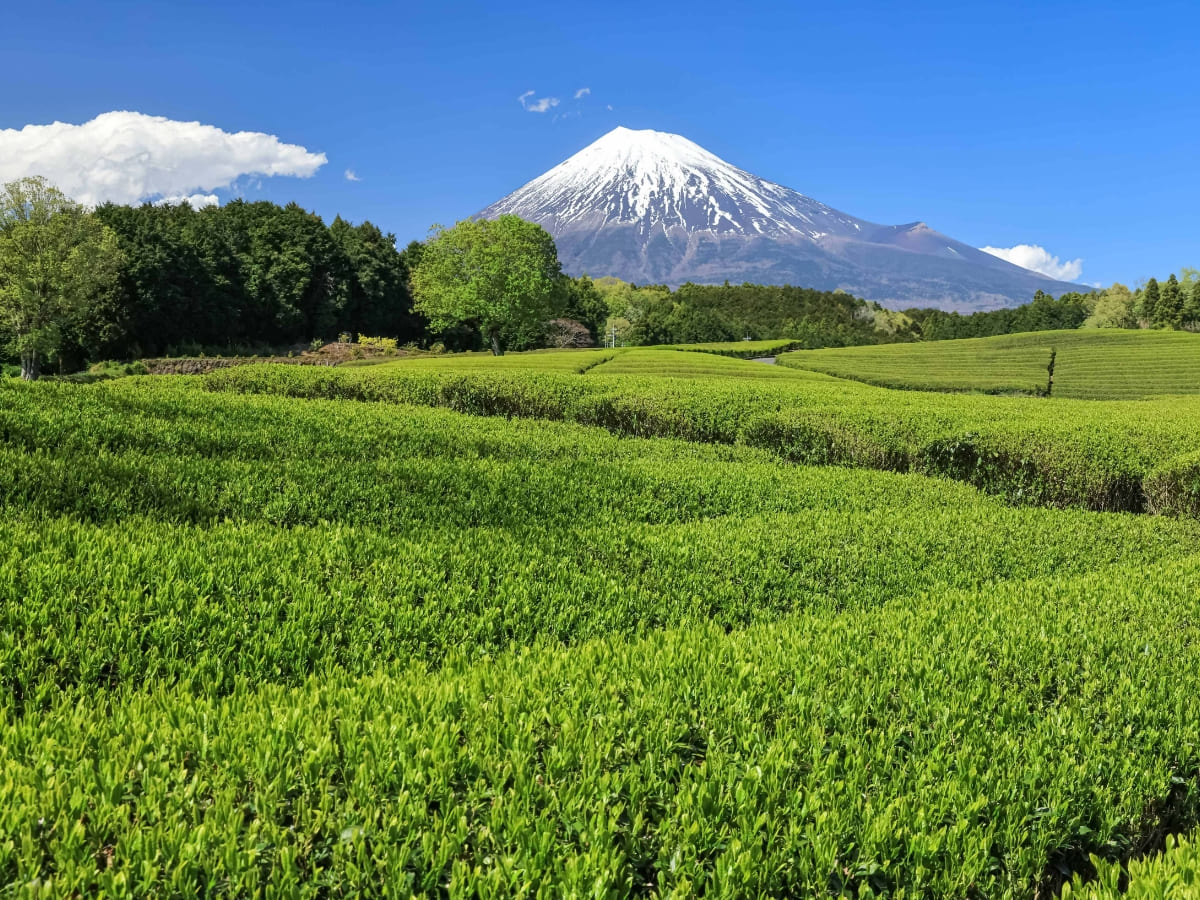
Nestled at the foothills of Japan's iconic Mount Fuji, Obuchi Sasaba offers an authentic immersion into Shizuoka's world-renowned tea culture. This meticulously maintained agricultural site showcases rolling emerald tea plantations with Mount Fuji majestically framing the backdrop—a photographer's paradise and a living testament to centuries-old Japanese agriculture. Managed by dedicated local preservationists, the experience goes beyond sightseeing: participate in traditional tea picking (seasonal) and take home premium locally-harvested tea from the on-site shop.
30 minutes by taxi
20 minutes by Tokaido Shinkansen
25 minutes by taxi
6
Nihondaira Yume Terrace

PHOTO : Shizuoka Tourism Association

Suspended at 300 meters on the Nihondaira plateau, Nihondaira Yume Terrace delivers Japan's most comprehensive vista: Mount Fuji, Suruga Bay, the Izu Peninsula, and the Southern Alps. The 200-meter outdoor observation corridor offers 360-degree immersion. Three-floor facility blends comfort with moments of tranquility—Mount Fuji transforms throughout the day and night.
5 minutes by foot
20 minutes by ropeway
7
Kunozan Toshogu Shrine

PHOTO : Shizuoka Tourism Association

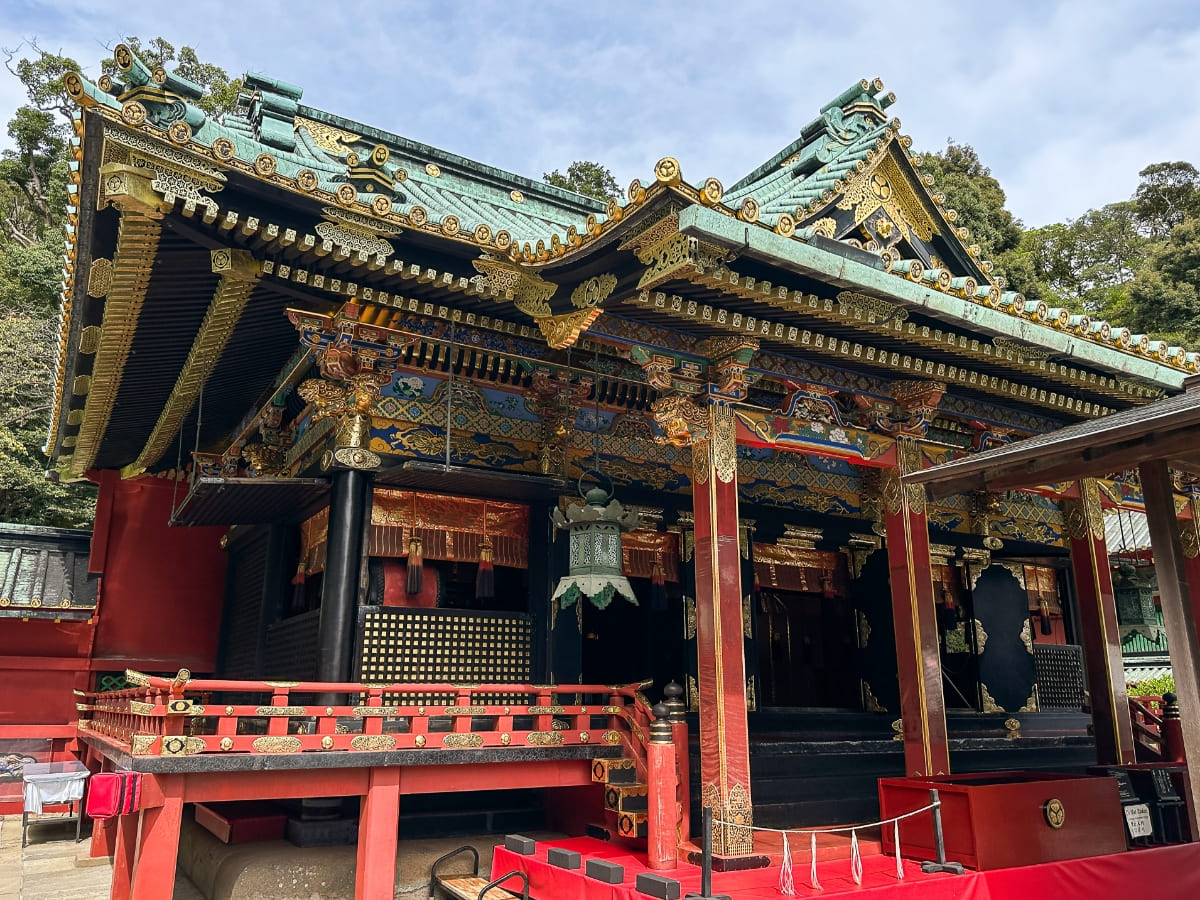
Perched atop Mount Kunozan, this shrine enshrines Tokugawa Ieyasu, the legendary shogun who unified Japan. Built in 1617, 19 years before Nikko Toshogu, it pioneered the "Gongen-zukuri" architectural style. The National Treasure main hall features obsidian-black lacquered beams and vivid crimson pillars with intricate hand-carved details.
The adjacent Kunozan Toshogu Museum houses a collection of items from the daily life of Tokugawa Ieyasu, as well as weapons and armor belonging to successive Tokugawa shoguns.
20 minutes by ropeway
25 minutes by taxi
20 minutes by Tokaido Shinkansen
15 minutes by foot
Day3
SHIZUOKA
8
The Traditional Dyeing Technique Hamamatsu Chusen tour
"Hamamatsu Chusen dyeing" is a traditional dyeing technique that has been handed down to the present day and is representative of Hamamatsu, a city known for its textiles.
At the Nihashi Dyeing Factory in Hamamatsu City, you can make tenugui using a unique Japanese dyeing technique called "Hamamatsu Chusen-some," which was invented during the Meiji period. Why not try making your own original tenugui by combining a variety of colors?
3 minutes by foot
2 minutes by train (non-JR lines)
2 minutes by foot
9
YAMAHA INNOVATION ROAD
Yamaha is a company that continues to generate innovative technology and products by making the most of its technical know-how and sensitivities cultivated in the world of sound and music. This corporate museum highlights Yamaha's 130-year history. By tracing the footsteps of Yamaha's journey, visitors will come away with a better understanding of the challenges that were overcome and also what direction the company. Many precious exhibits are displayed, including organs and pianos designed by Yamaha's founder, Torakusu Yamaha.
2 minutes by foot
4 minutes by train (non-JR lines)
15 minutes by bus
1 minutes by foot
10
Hamamatsu Festival Pavilion ・ Nakatajima Sand Dunes
The Hamamatsu Festival Pavilion is where visitors can experience a simulated Hamamatsu Festival complete with light, videos, and images. Some exhibits feature the massive kites measuring four meters wide and palace floats from the actual festivities.
Right next to the Hamamatsu Festival Pavilion are Nakatajima Sand Dunes, one of Japan’s three great sand dunes.
The beautiful wind-shaped patterns across the sand, known as “wind ripples,” are natural works of art created by the strong winds unique to the Enshu region.

About SHIZUOKA

Back to Top

COPYRIGHT © TOKAI × TOKYO ALL RIGHTS RESERVED.