Theme of the Scenic Route

A Journey through Tokyo and Aichi Exploring Japanese Monozukuri and Innovation through Urban Development and Industrial Culture

ONE MORE STEP FROM TOKYO
AICHI × TOKYO
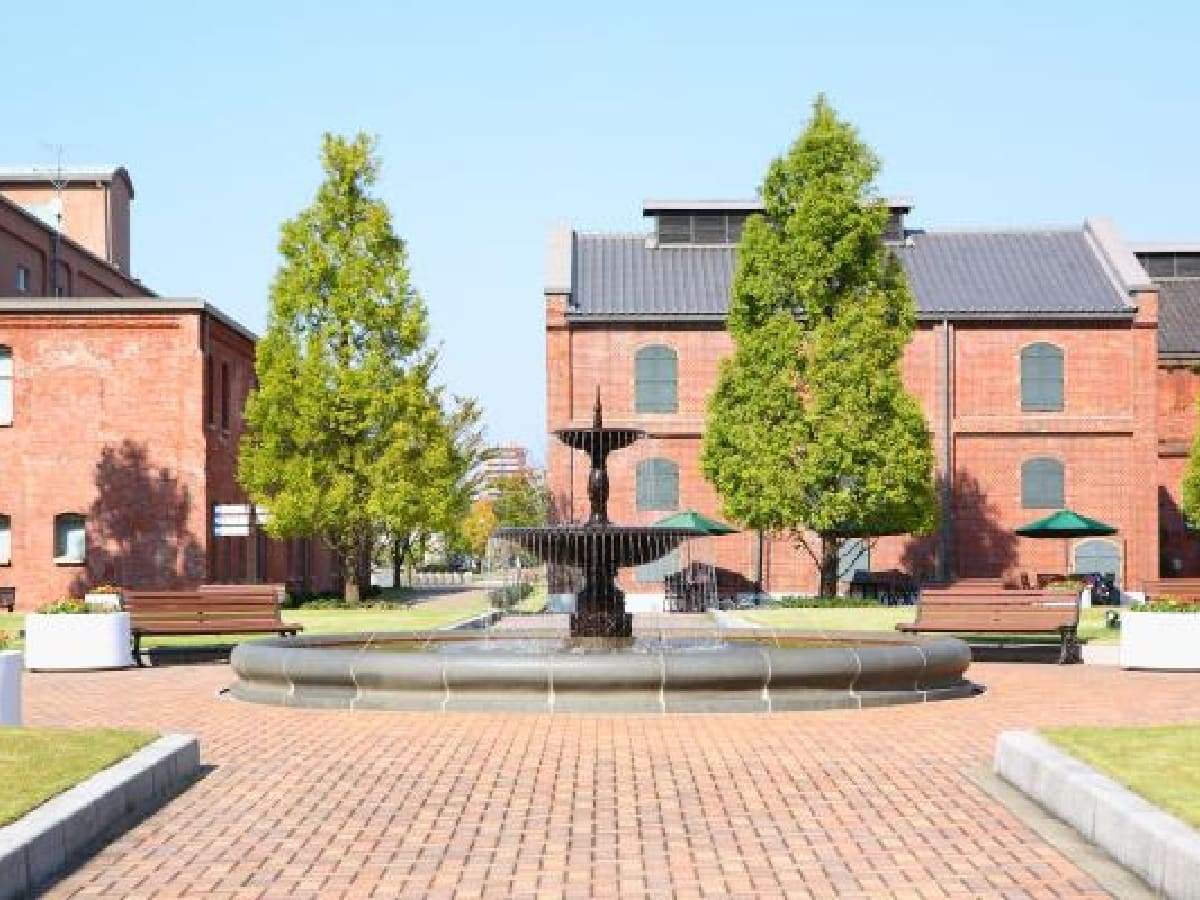
Toyota Commemorative Museum of Industry and Technology

This itinerary explores technology and urban development in Tokyo through Akihabara and the Small Worlds Miniature Museum before continuing to Aichi to discover industrial technology, ceramics, and the cultural heritage of the Owari branch of the Tokugawa family.

In Tokyo, visit Akihabara and the Small Worlds Miniature Museum to experience technology and meticulous creativity firsthand. Then take the Shinkansen bullet train from Tokyo Station to Aichi, where you’ll learn about industry and craftsmanship at the Toyota Commemorative Museum of Industry and Technology and Noritake Garden before visiting Nagoya Castle and the Tokugawa Art Museum. Over these two days, discover Japan’s spirit of monozukuri (lit. “making things”) and innovation, which draws on tradition to create new value.

*For the latest information on business hours, days when spots/facilities are regularly closed, prices, etc., please check the official website for each spot/facility or check directly with the spot/facility.

Destination

Itinerary​

2Days

Transport

JR Tokaido Shinkansen (Nozomi)
Tokyo to Nagoya
About
1 hour
30 minutes
Day1
TOKYO
1
Akihabara
Known by the nickname Akiba, Akihabara, or the area mainly around Chuo Street and Kanda Myojin Street, is known as one of the world's largest electronics towns. The area is dotted with stores of various sizes, from major retailers carrying the latest computers and smartphones to small stores carrying component parts. Akiba is also known as a Mecca for anime fans from around the world who love to hang out at shops carrying Japan's latest anime, comics or idol goods, or at maid-themed cafes. It is bustling with inbound tourists and customers looking to purchase energy-saving home appliances. Have fun looking for your personal treasures at "Treasure Island" Akiba.
Just a short walk from the main street is Kanda Shrine, which has been around for close to 1,300 years.
8 minutes by train (JR)
20 minutes by bus
3 minutes by foot
2
SMALL WORLDS Miniature Museum

SMALL WORLDS

SMALL WORLDS is Asia's largest miniature museum covering a total area of 7,000 square meters. It offers visitors the opportunity to explore and experience a variety of miniature landscapes, and all replicas are 1/80 the size of their real-life counterparts.
There are nine different areas in the museum, including the "space center" and the "global village." Fans of popular anime will also find specially designed miniature exhibits with themes centered around the respective anime storylines.
There is a restaurant on the second floor with a dream-like, magical atmosphere. Here, visitors can enjoy delicious cuisine while admiring miniature models featuring the night views of Japan.
This is an indoor recreational facility frequently used by educational institutions and groups visiting Japan.
3 minutes by foot
26 minutes by train (non-JR lines)
4 minutes by train (JR)
3
Tokyo Station

©AFLO

October 2012 saw completion of the preservation and restoration work on the Tokyo Station Marunouchi Building. The red brick facade long loved as the symbol of Tokyo Station has made a comeback, along with the history and grandeur of the original building dating nearly a hundred years back. The occasion also saw the reopening of Tokyo Station Hotel and Tokyo Station Gallery. The former is the hotel situated within an important cultural property of Japan. The interior is designed in a sophisticated, classical European style to blend with the splendor of the Marunouchi Building exterior.
Day2
AICHI
3
Tokyo Station
1h45minutes by JR Tokaido Shinkansen
4 minutes by train (non-JR lines)
3 minutes by foot
4
Toyota Commemorative Museum of Industry and Technology
This museum was established to preserve and make use of the remaining factories in the birthplace of the Toyota Group as an industrial heritage site. It provides clear and accessible presentations on the evolution of technologies related to textile machinery and automobiles through dynamic exhibits featuring actual machinery and live demonstrations.

There is also a library, a souvenir shop, a restaurant, and a cafe, so your whole family can enjoy the day here.
4 minutes by bus
5
Noritake Garden
Among the top brands of prestigious tableware, Noritake is one of the more famous and treasured names in the ceramics industry. Noritake made its start at the current location of Noritake Garden in 1904 under its name at the time: Nippon Toki, Ltd. In 1914, the company created the first dinner set in Japan and exported it, garnering attention from the international community for its Noritake China.
The Noritake Garden complex opened at the headquarters' plant in commemoration of the company's 100th anniversary.
10 minutes by bus
6
Nagoya Castle

提供:名古屋城総合事務所「名古屋城天守閣」

Nagoya Castle is one of the most famous castles in Japan, occupying the center of Nagoya City. It is a place that enthralls visitors with the harmony between its long history, beautiful architecture, and the nature of four seasons. Constructed in 1615 at the order of Tokugawa Ieyasu, it prospered as the abode of the Owari-Tokugawa family, one of the Tokugawa Gosanke, or three main houses of Tokugawa. After being burned to the ground during World War II, the citidel and Honmaru Palace were recreated, and continue to speak of the Castle's grandeur to this day. The completely recreated Honmaru Palace is the very embodiment of Japaense aesthetics, with the elegance of traditional architecture and beautiful screen paintings of the Kano School. Here you can experience the spaces where once warlords walked.
15 minutes by bus
7
Tokugawa Art Museum

提供:徳川美術館

The Tokugawa Art Museum in Nagoya features the implements used by lords throughout the history of the Owari Tokugawa Family, the most senior of the three branches of the Tokugawa family, or Gosanke, based around the Sunpu Owakemono, or the Treasures of the Tokugawa Family, a collection of precious items passed down to Tokugawa Yoshinao, 9th son of Tokugawa Ieyasu. This collection of over 10,000 artifacts, including no less than 9 National Treasures such as the Genji Monogatari Emaki (The Tale of Genji Scroll) and the Hatsune no Chodo (Hatsune Furnishings), conveys the essence of Japanese culture and the spirit that it cultivated to the present day. The museum is engaged in a wide variety of activities as a hub for communicating about culture and Japanese beauty to fhe future.

About AICHI

Back to Top

COPYRIGHT © TOKAI × TOKYO ALL RIGHTS RESERVED.